
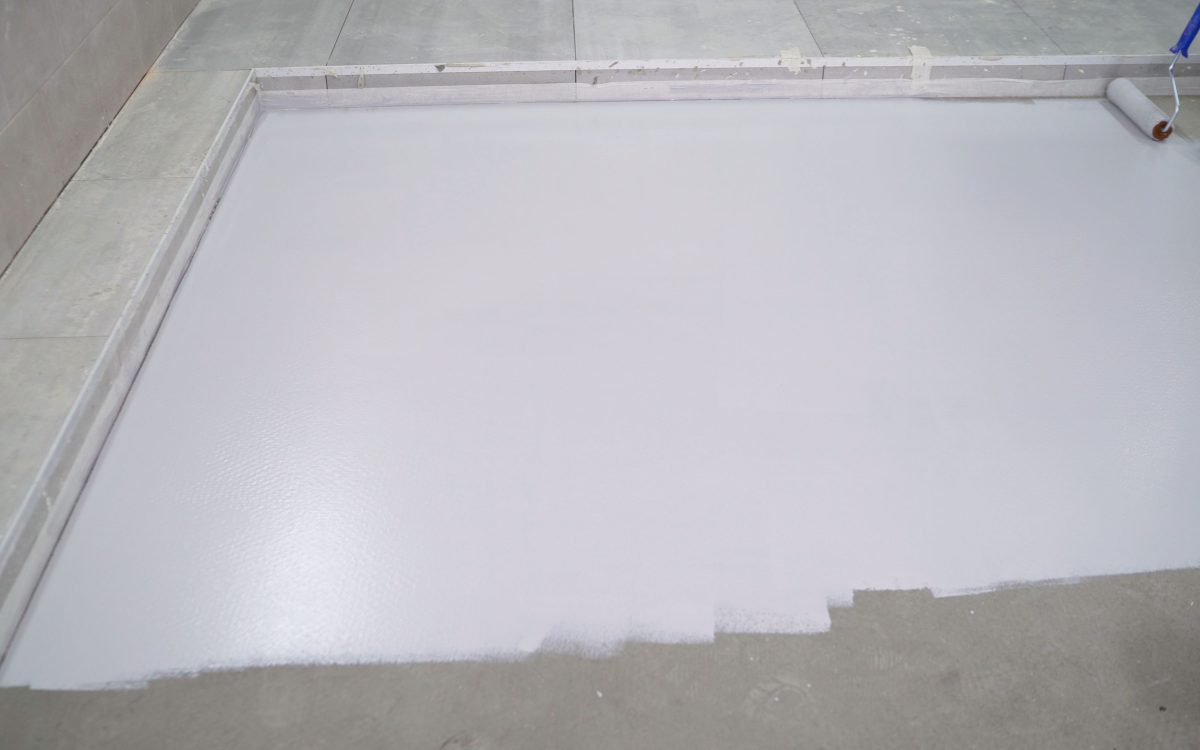
Epoxy flooring is known for its smooth appearance, durability, and resistance to everyday wear. It is often used in garages, workshops, basements, warehouses, and commercial spaces where the floor needs to handle regular traffic and occasional spills. A successful result, however, depends on much more than simply applying a coating. The installation process involves careful preparation, proper materials, and enough curing time.
The First Step: Evaluating the Existing Surface
Before any coating is applied, the condition of the floor must be checked. Cracks, stains, moisture issues, and damaged areas can affect how well epoxy bonds to the surface. Professionals installing epoxy flooring Arlington Heights property owners can rely on will usually inspect the slab first and determine whether repairs or additional preparation are required.
This stage is important because epoxy performs best when applied over a stable, properly prepared base. Existing coatings, sealers, grease, and other contaminants may need to be removed before the project can move forward.
Surface Preparation and Concrete Grinding
Preparation is one of the most important parts of the entire installation. The floor is typically cleaned and mechanically prepared using grinding equipment. This process opens the surface of the concrete and helps create the right profile for strong adhesion.
When working with concrete floors Arlington Heights homes or businesses already use every day, installers may also fill cracks, repair minor damage, and address uneven areas. Skipping proper preparation can lead to peeling, bubbling, or premature coating failure.
Applying the Epoxy System
Once the surface is ready, the epoxy system can be applied. Depending on the project, this may include a primer, epoxy base coat, decorative flakes, metallic effects, quartz, or another finish. The materials are mixed carefully because epoxy begins to cure after its components are combined.
For epoxy flooring Palatine property owners are considering, the exact number of layers may vary based on the intended use of the space. A residential garage may have different requirements than a busy workshop or commercial facility.
Each layer must be applied evenly and within the correct time window. Installers also monitor temperature and other site conditions that can affect curing and the final appearance.
Adding the Protective Topcoat
A topcoat is often used to increase resistance to abrasion, stains, chemicals, and general wear. It can also influence the final level of gloss and texture. In some areas, a slip-resistant additive may be incorporated to provide additional traction.
The coating system selected for concrete floors Palatine businesses or homeowners want to upgrade should match the way the space will actually be used. Heavy equipment, vehicle traffic, frequent cleaning, and exposure to chemicals can all influence the recommended finish.
Curing Time and Returning the Space to Use
After installation, the coating needs time to cure. The floor may look dry before it is ready for normal use, so it is important to follow the recommended waiting period. Light foot traffic may be allowed sooner than vehicles, heavy machinery, or equipment.
Furniture, storage systems, and other items should only be returned after the coating has cured sufficiently. Rushing this stage can leave marks or damage the new surface.
A Process Built Around Preparation
Epoxy flooring installation is a step-by-step process where every stage affects the final result. Inspection, repairs, grinding, coating application, and curing all play an important role. Knowing what to expect makes it easier to plan the project, clear the space, and allow enough time for the floor to be completed properly.
When professionally installed, an epoxy floor can provide a clean, durable, and easy-to-maintain surface designed for the specific needs of the property.