
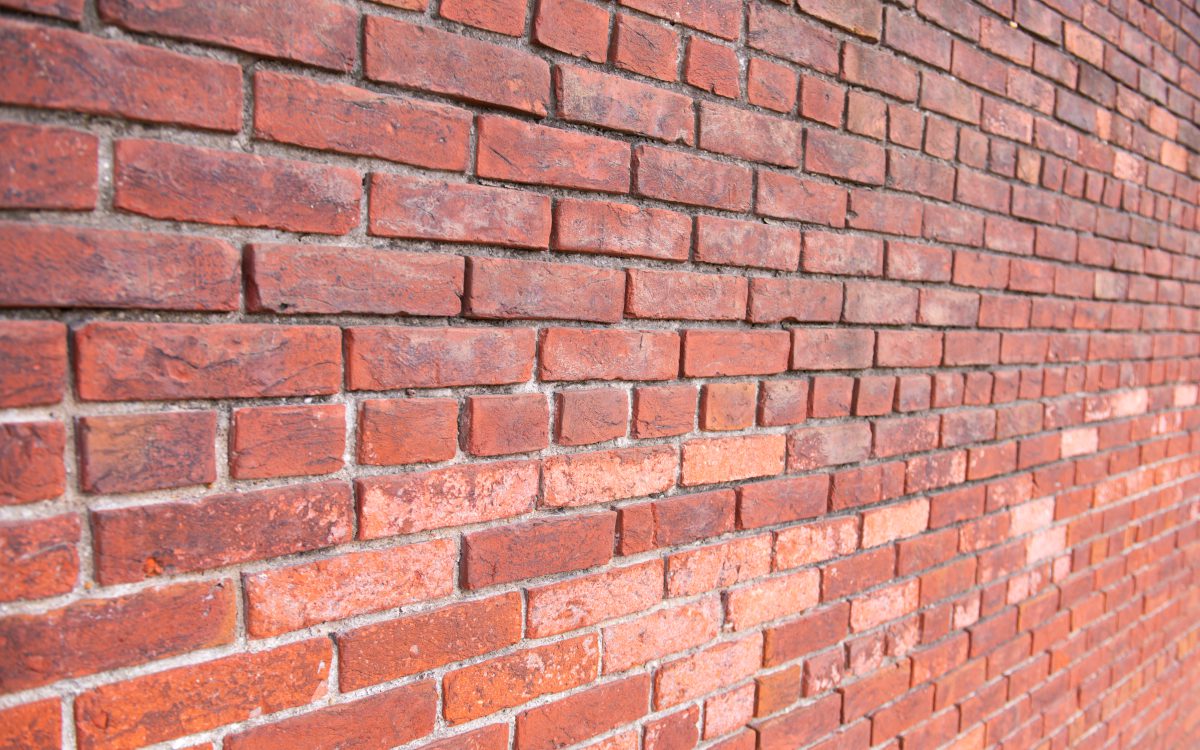
Brick and stone structures are known for strength and durability, but they still require maintenance over time. Weather, moisture, age, and temperature changes can slowly affect both masonry materials and the mortar holding them together. Two common services used to restore these surfaces are masonry repair and tuckpointing.
Although the terms are sometimes used interchangeably, they address different problems. Understanding the difference can help property owners choose the right solution before minor damage becomes more expensive.
What Is Masonry Repair?
Masonry repair focuses on fixing damaged brick, stone, concrete block, or other masonry materials. The service may involve replacing cracked bricks, rebuilding loose sections of a wall, correcting damaged chimneys, or repairing areas affected by moisture.
Property owners looking for masonry Wheaton services often need a professional inspection because visible cracks may not reveal the full extent of the problem. A damaged brick may be caused by water penetration, foundation movement, impact damage, or years of freeze and thaw cycles.
The goal of masonry repair is to restore stability and protect the structure from further deterioration.
What Is Tuckpointing?
Tuckpointing focuses primarily on mortar joints rather than the bricks themselves. Mortar naturally weakens as it is exposed to rain, snow, sunlight, and temperature changes. Over time, joints may crack, crumble, or develop gaps.
During tuckpointing, deteriorated mortar is carefully removed from the joints. New mortar is then installed to restore the joint and improve the overall appearance of the masonry.
When researching tuckpointing Elmhurst, homeowners may notice that the service is frequently recommended for older brick buildings. Proper tuckpointing can reduce moisture penetration while giving worn brickwork a cleaner, more uniform appearance.
The Main Difference Between the Two Services
The easiest way to understand the difference is to look at the source of the damage.
If bricks, stones, or sections of the structure are cracked or loose, masonry repair may be necessary. If the masonry units remain in good condition but the mortar joints are deteriorating, tuckpointing may be the better solution.
In some cases, both services are required. A contractor may replace several damaged bricks before restoring the surrounding mortar joints.
When property owners need masonry repair Wheaton, a detailed evaluation helps determine whether the issue is limited to a small area or connected to a larger structural problem.
Signs You May Need Masonry Repair
Cracked or broken bricks are among the most obvious warning signs. Bulging walls, loose masonry units, damaged chimney sections, and significant gaps may also indicate that repairs are necessary.
Water stains and recurring moisture problems should not be ignored. Once water enters damaged masonry, seasonal freezing can accelerate deterioration.
Signs Tuckpointing May Be the Right Choice
Crumbling mortar is a common sign that tuckpointing should be considered. You may also notice recessed joints, small cracks between bricks, or loose pieces of mortar near the base of a wall.
When looking for tuckpointing contractors Elmhurst, choose professionals who can evaluate both the mortar and the masonry itself. Simply covering damaged joints without removing deteriorated material may only hide the problem temporarily.
Protecting Your Masonry for the Future
Both masonry repair and tuckpointing play important roles in maintaining brick and stone structures. The right service depends on whether the damage affects the masonry units, the mortar joints, or both.
Addressing deterioration early can help reduce moisture problems, limit further damage, and preserve the appearance of the property. A professional inspection is often the best first step when cracks, loose mortar, or damaged bricks begin to appear.